

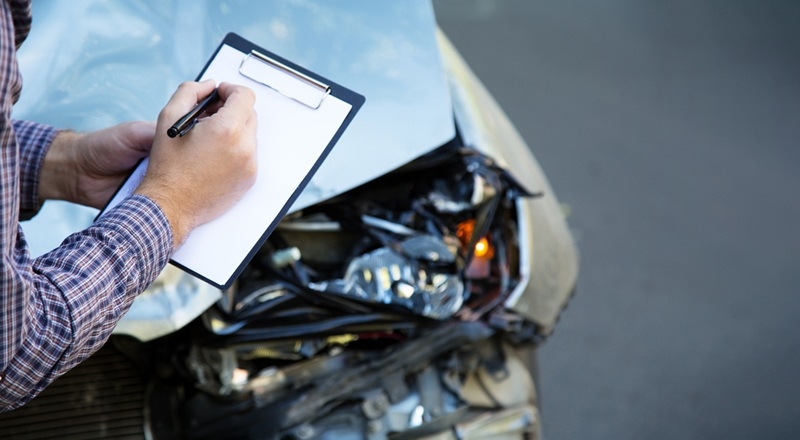
Before we get into the details, here’s a quick roadmap of what we’ll cover. First, we’ll look at how car insurance after an accident usually changes and why insurers raise premiums. Then we’ll break down how much insurance goes up after accident situations across the US, what factors make the biggest difference, and how long those higher rates stick around. We’ll also talk about whether filing a claim automatically means trouble and what you can realistically do to soften the blow.
Now let’s get into it.
A car accident can shake you up. Even a minor fender bender can leave you stressed about repairs, deductibles, and yes, your next insurance bill. One of the first questions most drivers ask is simple but loaded: how much will car insurance after an accident actually rise?
The answer depends on a mix of risk math, state rules, and your own driving history. Insurers don’t just pull numbers out of thin air. They look at patterns, statistics, and your individual record.
Here’s the thing. Insurance is built on risk. When you get into an at-fault accident, the company sees new data. That data suggests you might be more likely to file another claim. So they adjust your premium to reflect that higher risk.
It sounds harsh. But from their perspective, it’s a numbers game. They use past data to predict future losses. If you’ve shown a higher chance of costing them money, your rate shifts upward.
There’s a big difference between a minor scrape in a parking lot and a multi-car crash with injuries. Severity matters. So does fault.
In general:
Some states even limit how much insurers can penalize you if you weren’t at fault. So where you live plays a role, too.
Don't Miss: Smart Ways to Boost Your Home Insurance Savings Today
Now we’re getting to the number everyone wants. So, how much does insurance go up after accident cases in the United States?
On average, drivers see a 20 percent to 50 percent increase after one at-fault accident. That’s a wide range, and honestly, it surprises people. In dollar terms, if you were paying 1500 dollars a year, you might suddenly pay 1800 to 2200 dollars or more.
Let’s break that down more clearly.
The average car insurance increase after an accident is often around 30 percent nationally. But that’s just the middle of the bell curve. In some states, like California, regulations limit how insurers use certain data. In others, like Michigan or Louisiana, rates can jump sharply due to higher claim costs overall.
If your accident involved:
Your increase could exceed 50 percent. Sometimes much more.
State laws shape insurance pricing. For example, no-fault states handle claims differently. In places like Florida or New York, your own insurer pays certain medical costs regardless of fault. That structure can influence insurance rates after accident claims.
Also, local repair costs matter. If you live in a city where body shop labor runs high, and parts are expensive, claims cost more. Higher claims mean higher premiums across the board.
This is where people get confused. Does insurance go up after a claim, no matter what?
Not always. And that’s important.
Some insurers offer accident forgiveness. Companies like Allstate or Progressive often include it after you’ve been claim-free for a certain period. That means your first at-fault accident might not raise your premium.
Also, small comprehensive claims may have little impact.
Honestly, many drivers hesitate to file small claims because they fear a rate increase. Sometimes paying out of pocket for a 600 dollar bumper repair makes more sense than triggering a long-term premium hike.
You know what? That decision feels unfair. After all, you’ve been paying premiums for years. But insurance works best for big, unexpected losses, not minor fixes.
Not every driver sees the same jump. Two people with similar accidents can get very different renewal notices.
If you’ve had a clean record for 10 years and then make one mistake, insurers may treat you more kindly. If you already have speeding tickets or prior claims, the car insurance increase after an accident can stack on top of those risk factors.
It’s a bit like credit scores. One late payment won’t ruin you. A pattern might.
Younger drivers often face steeper increases. Insurers already see them as higher risk. So an accident reinforces that view. For older drivers with long, clean records, the bump may be less severe, though still noticeable.
Higher coverage limits mean higher claim payouts. If your liability limits are 100, 300, and 100, and you cause serious damage, the insurer may pay a large sum. That can influence your new premium more than a low limit policy would.
Also Read: Top 5 Cheap Insurance Providers in the US Right Now
Car insurance after an accident can lead to significant premium increases, often between 20 and 50 percent, depending on fault, severity, state laws, and your driving history. The average car insurance increase after an accident hovers around 30 percent nationwide, but your personal result may vary widely.
If you’re wondering how much insurance goes up after an accident in real life, the answer depends on context. Not every claim triggers the same response. Not every accident is rated equally. And yes, does insurance go up after claim scenarios sometimes end with little to no increase, especially with accident forgiveness or minor comprehensive claims.
In many cases, the increase is small or nonexistent. Some states protect drivers from large hikes when they are not responsible.
If you are at fault, it likely will. Even small at-fault claims can trigger a noticeable premium increase for several years.
Most insurers surcharge accidents for three to five years. After that, the impact usually drops off your policy rating.
Yes, if the damage is minor, and you pay out of pocket. But weigh the repair cost against potential long-term premium hikes carefully.
This content was created by AI